
Advances in cancer treatment over the last two decades have been largely driven by the development of targeted (disease-specific) and, in some cases, personalized (patient-specific) therapeutic approaches. Whilst this has led to impressive improvements for certain patient groups, more than 90% of all cancers do not possess the target structures required for such treatments. Furthermore, disease recurrence is very often accompanied by resistance to targeted or personalized therapies.
Furthermore, the production and/or application of many targeted therapies (e.g. CAR-T cells) is technically complex and time-consuming. The high costs pose a major challenge to healthcare systems even in highly industrialized countries; in resource-poor regions, many patients are almost completely denied access to such therapies for financial reasons.
Development of SELEQUIN technology
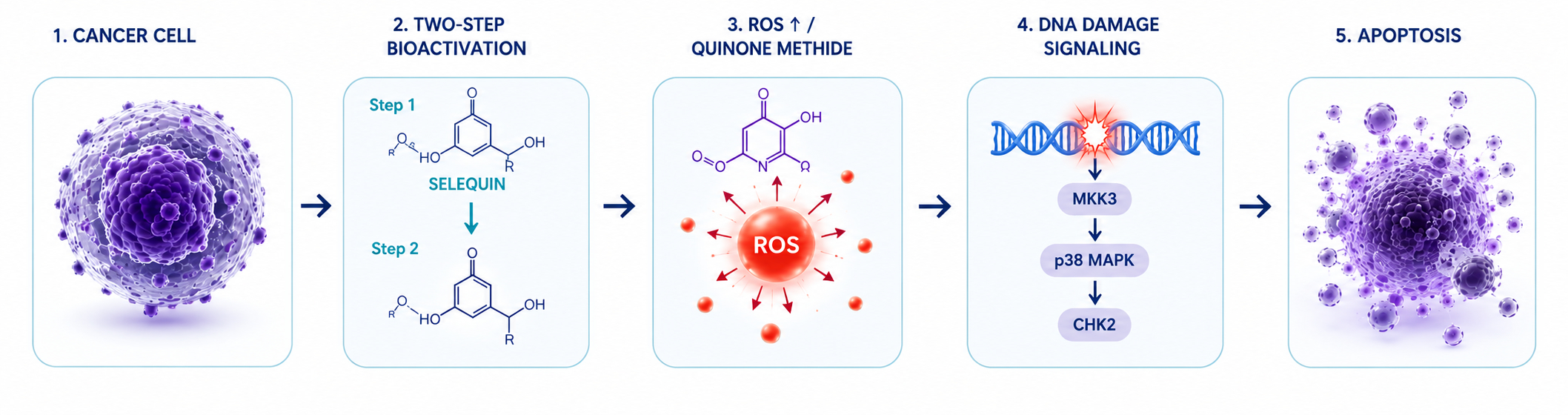
Building on publicly funded research projects, two Cologne-based professors, Karl-Anton Kreuzer (Internal Medicine) and Albrecht Berkessel (Organic Chemistry), have developed a patent-protected family of compounds suitable for the target-structure-independent treatment of non-oncogene-dependent forms of cancer. In these Selective Quinone Methide Inducers (SELEQUINs), so-called quinone methides are induced in susceptible cancer cells via a two-step bioactivation process. SELEQUINs then exert their antineoplastic effect by increasing oxidative stress in the cells, leading to covalent modifications of the DNA and triggering cell death programs (e.g. via the TP53 protein).
Preclinical research
In small rodents (mice), treatment with the developed substances results in a marked inhibition of tumor growth in a time- and dose-dependent manner, with only mild systemic side effects. In efficacy screens, the substances were effective in vitro against various cancer cell lines (e.g. chronic lymphocytic leukemia, colorectal cancer, lung cancer, breast cancer). At the biochemical level, this is accompanied by strong activation of pro-apoptotic signaling pathways (e.g. MKK3, p38 MAPK, CHK2).
Management and
Company Structure
The work of the Cologne-based professors has attracted the interest of a consortium of experienced managers from the healthcare sector. These include Dr Jochen Antel, CSO (formerly Solvay Pharmaceuticals, Hanover); Heinz D. Diste, MSB (formerly Contilia, Essen); Dr h.c. Andreas Goldberg, CEO (Goldberg Consulting, Dülmen); Michael Güttes, MSB (formerly Mercuri Urval, Düsseldorf); Dr Elke Lieb, MSB (formerly Johnson & Johnson, Norderstedt); Klaus Möllerfriedrich, CFO (formerly GESCO, Wuppertal); Dr Alexander Schröder-Frerkes, HSB (formerly Bird & Bird, Düsseldorf) and Prof. Dr Dr Christian Thielscher, CEO (formerly McKinsey, Düsseldorf).
SELEQUIN Mechanism of Action
Selective activation in cancer cells leads to DNA damage signaling and apoptosis
Establishment of
Selequin Therapeutics GmbH
After the University of Cologne had transferred the patents to the inventors, these were incorporated into the university spin-off Selequin Therapeutics GmbH, with the individuals mentioned above acting as shareholders. Since then, the company has been systematically advancing the development of the patented active substances, with the aim of conducting a Phase I clinical trial. Furthermore, development work is continuing, which has led, amongst other things, to a further patent application for a related family of active substances. This is now also in preclinical development. In addition, a modern dosage form is currently being developed which increases the bioavailability of both families of active substances and further improves their high selectivity.
The Selequin consortium is convinced that, in the coming years, there will continue to be a significant need for innovation and high market demand for cancer therapies that can be effectively administered to the majority of patients who lack a suitable target structure or the possibility of personalization. At the same time, however, these drugs must have significantly fewer side effects than conventional chemotherapies so that they can be used largely risk-free, even in multimorbid patients in our ageing society.
As affordability for both the public and private sectors now has a significant impact on the accessibility and availability of new cancer treatments, developments at Selequin are also guided by this important consideration.
Medical need and
strategic focus
Competitive landscape and market opportunity
Despite the very clear market need, Selequin GmbH operates in a relatively uncontested environment with the aforementioned concept, as investors’ focus currently remains on high-cost personalized treatment approaches. Selequin aims to capitalize on this development and market gap to make innovative and scalable therapies available to the larger proportion of cancer patients whose conditions are not (or no longer) amenable to targeted or personalized therapies.
Market potential and economic prospects
For years, the global oncology market, with its considerable market volume, has been one of the fastest-growing segments of the pharmaceutical industry. Within this market, the SELEQUIN concept is specifically targeted at the largest patient group to date, yet one for which therapeutic options have been insufficient: tumors without defined target structures, as well as treatment-resistant or recurrent cases. This broad applicability results in considerable commercial potential across numerous indications.
Added to this is the clear health economic advantage that SELEQUINs offer comparatively cost-effective, scalable manufacturing and application. This not only improves reimbursement prospects in regulated markets but also opens up access to previously underserved healthcare systems worldwide. Therapies that combine efficacy, tolerability and affordability are increasingly being prioritized by payers and policymakers, which is a decisive factor for sustainable market success.
Platform Strategy and Development Prospects
From a development strategy perspective, the platform also offers several value drivers: a solid, patent-protected foundation; opportunities for expansion through related classes of active substances; options for combination therapies; and additional areas of innovation such as targeted drug delivery systems. These factors create a wide range of opportunities for partnerships with pharmaceutical companies, licensing agreements or strategic exits.
Last but not least, the project benefits from comparatively low competitive pressure in the segment of non-targeted therapies, whilst at the same time there is a high unmet medical need. This combination of high demand and low competition represents a rare and particularly attractive starting point.
Market potential and economic prospects
For years, the global oncology market, with its considerable market volume, has been one of the fastest-growing segments of the pharmaceutical industry. Within this market, the SELEQUIN concept is specifically targeted at the largest patient group to date, yet one for which therapeutic options have been insufficient: tumors without defined target structures, as well as treatment-resistant or recurrent cases. This broad applicability results in considerable commercial potential across numerous indications.
Added to this is the clear health economic advantage that SELEQUINs offer comparatively cost-effective, scalable manufacturing and application. This not only improves reimbursement prospects in regulated markets but also opens up access to previously underserved healthcare systems worldwide. Therapies that combine efficacy, tolerability and affordability are increasingly being prioritized by payers and policymakers, which is a decisive factor for sustainable market success.
Platform Strategy and Development Prospects
From a development strategy perspective, the platform also offers several value drivers: a solid, patent-protected foundation; opportunities for expansion through related classes of active substances; options for combination therapies; and additional areas of innovation such as targeted drug delivery systems. These factors create a wide range of opportunities for partnerships with pharmaceutical companies, licensing agreements or strategic exits.
Last but not least, the project benefits from comparatively low competitive pressure in the segment of non-targeted therapies, whilst at the same time there is a high unmet medical need. This combination of high demand and low competition represents a rare and particularly attractive starting point.
PRECLINICAL EVIDENCE
In vivo anti-tumor activity with
favorable tolerability in
preclinical in vivo models.
INHIBITION

TOLERABILITY
Summary and investment outlook
Overall, Selequin Therapeutics GmbH, with its products and its exceptionally high level of management and staff expertise, is positioned in a market environment characterized by above-average growth, clear differentiation and a scalable business model. Selequin Therapeutics GmbH thus offers investors the opportunity to participate at an early stage in the development of a new generation of cancer therapeutics with the potential for broad application.
From Academic oncology
To a new Therapeutic
Platform
Scientific roots in Cologne.
Built for translation into cancer therapy.
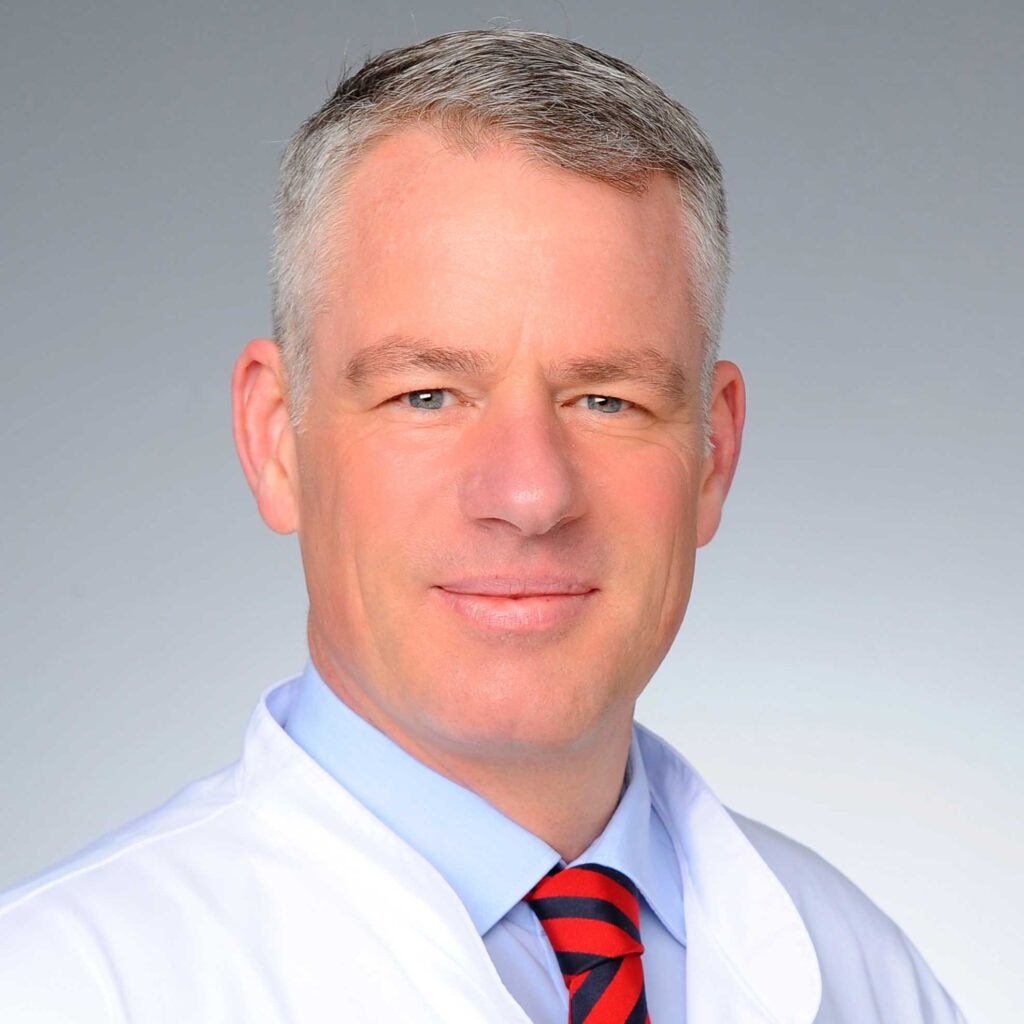
Prof. Dr.
Karl-Anton Kreuzer
Clinical Oncology & Hematology
Co-Founder & Scientific Lead
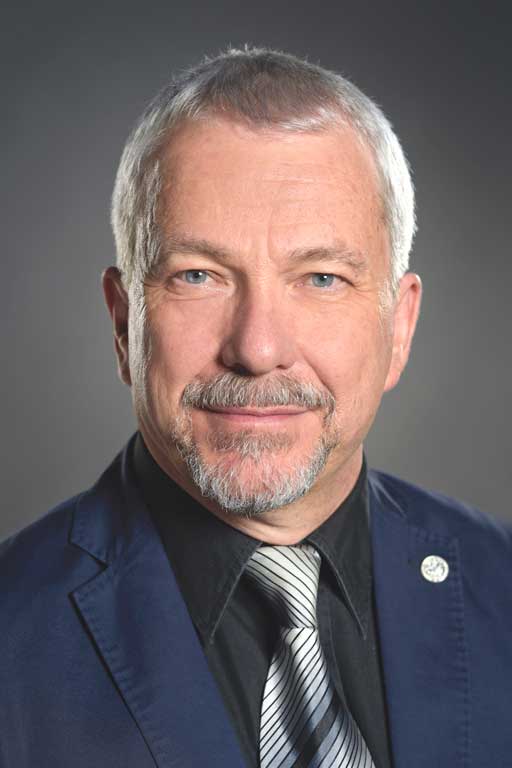
Prof. Dr.
Albrecht Berkessel
Medicinal & Organic Chemistry
Co-Founder & Chemistry Lead

Academic Origin
Born from leading oncology and chemistry research in Cologne.
SELEQUIN Therapeutics originates from the University of Cologne and University Hospital Cologne, with strong scientific roots in the Center for Integrated Oncology (CIO) – one of Germany’s leading comprehensive cancer centers and a highly recognized hub for translational oncology

Deep scientific expertise
in oncology and chemistry

Interdisciplinary collaboration
driving innovation

A clear mission:
advancing cancer therapy
SELEQUIN operates with a lean, capital-efficient development model. Specialized external partners provide
expertise and infrastructure across chemistry, preclinical development, CMC/GMP, regulatory affairs and clinical operations.

Our model combines strong internal scientific leadership with specialized external expertise –
enabling flexible, milestone-driven and capital-efficient development.